
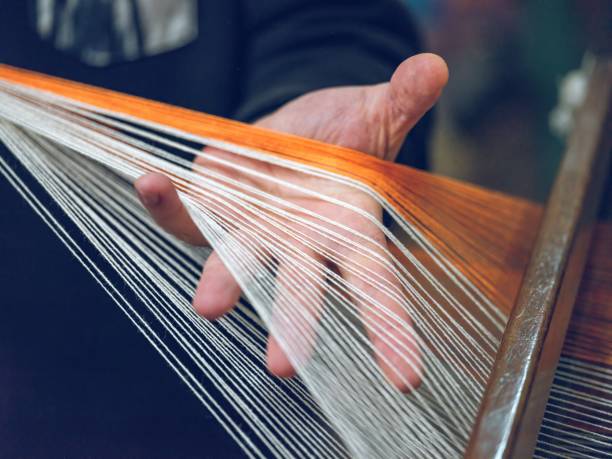
Color harmony is the foundation of visually appealing outfits. When colors complement each other naturally, the look feels intentional, balanced, and polished rather than chaotic or randomly assembled.
Warm tones like reds and oranges create energetic moods, while cool blues and greens feel calm and refined. Combining both thoughtfully helps achieve contrast without overwhelming the eye.
Neutral shades play a supporting role in color harmony. Beige, black, white, and gray allow bold hues to shine while grounding the overall outfit in sophistication.
Understanding color harmony empowers personal expression. Instead of following rigid rules, it helps you confidently experiment while maintaining visual balance across garments, accessories, and textures.
Playing with Textures to Add Visual Depth
Texture brings dimension to fashion, transforming simple outfits into layered, tactile experiences. Mixing fabrics like leather, wool, silk, or denim adds richness beyond color alone.
Smooth textures feel clean and modern, while rough or woven fabrics add warmth and character. Combining both creates contrast that keeps outfits visually engaging and dynamic.
Textural balance matters as much as color balance. Too many heavy fabrics can feel bulky, while overly smooth materials may appear flat without variation.
Using texture strategically elevates everyday clothing. Even monochrome outfits gain interest when fabrics differ, proving texture can be just as powerful as bold prints.
Mixing Prints Without Overwhelming Your Look
Print mixing is an art that relies on balance, not excess. Combining patterns works best when one print dominates while others act as subtle supporting elements.
Scale is crucial when mixing prints. Pairing a large floral with a small geometric creates contrast without competition, allowing each pattern to maintain visual clarity.
Color consistency helps unify multiple prints. When patterns share similar hues, the outfit feels cohesive even if the designs themselves are visually distinct.
Confidence is key when wearing mixed prints. A well-balanced combination looks intentional, while hesitation often shows through awkward styling or mismatched proportions.
Choosing Fabrics That Complement Each Other
Fabric selection affects how colors and prints interact. Lightweight materials drape softly, while structured fabrics provide shape, influencing the overall aesthetic of an outfit.
Combining delicate fabrics like chiffon with sturdy denim creates contrast that feels modern and wearable. The interplay between softness and structure adds visual intrigue.
Seasonality also matters in fabric pairing. Breathable cottons suit warmer months, while knits and tweeds layer beautifully during colder seasons for comfort and style.
Thoughtful fabric combinations enhance comfort as well as appearance. When materials work together, outfits feel effortless, balanced, and suitable for extended wear.
Using Accessories to Tie Colors and Textures Together
Accessories act as visual connectors in an outfit. Bags, belts, shoes, and jewelry can echo colors or textures, creating harmony across diverse clothing elements.
Textured accessories like woven bags or suede shoes add depth without overpowering the outfit. They subtly reinforce the layered look through tactile interest.
Colorful accessories introduce accents without committing to bold garments. A vibrant scarf or statement necklace can refresh neutral outfits instantly.
Accessories also control visual focus. Strategic placement draws attention to desired areas, helping balance proportions while enhancing overall outfit cohesion.
Balancing Bold and Subtle Elements
Successful styling often depends on restraint. Pairing bold colors or prints with understated pieces ensures the outfit remains stylish rather than visually exhausting.
If one garment stands out dramatically, surrounding pieces should calm the look. This contrast allows statement items to shine without competing distractions.
Subtle textures and neutral tones create breathing space within outfits. They help the eye rest, making bold elements appear more intentional and refined.
Balance evolves with personal taste. Understanding when to pull back or push forward comes with experimentation and awareness of overall visual impact.
Seasonal Approaches to Color and Texture Play
Seasons influence color palettes and fabric choices naturally. Spring favors light pastels and airy textures, while autumn embraces deeper tones and richer materials.
Layering becomes essential during transitional seasons. Mixing textures through jackets, scarves, and knits adds warmth while maintaining visual interest.
Summer styling benefits from breathable fabrics and vibrant colors. Lightweight textures prevent heaviness, allowing bold prints to feel fresh rather than overwhelming.
Winter outfits rely heavily on texture. Wool, leather, and faux fur create depth, making neutral-heavy palettes feel luxurious and visually engaging.
Building Confidence Through Experimentation
Developing personal style requires experimentation. Trying new color combinations and textures builds confidence and helps identify what feels authentic and flattering.
Mistakes are part of the process. Not every combination will work, but each attempt sharpens your understanding of balance and proportion.
Photographing outfits can reveal insights. Viewing combinations objectively helps refine choices and recognize patterns that consistently enhance your appearance.
Confidence ultimately elevates any outfit. When you feel comfortable in your choices, colors and textures appear intentional, expressive, and effortlessly stylish.
Creating a Signature Look with Color and Texture
A signature style emerges through repetition and refinement. Consistently using certain colors, fabrics, or textures builds a recognizable personal aesthetic.
Signature looks do not limit creativity. Instead, they provide a foundation from which experimentation feels controlled and purposeful.
Over time, preferences become clearer. You naturally gravitate toward combinations that reflect your lifestyle, personality, and comfort needs.
Mastering color and texture play transforms fashion into storytelling. Each outfit communicates mood, confidence, and individuality through thoughtful visual composition.











Leave a Reply