
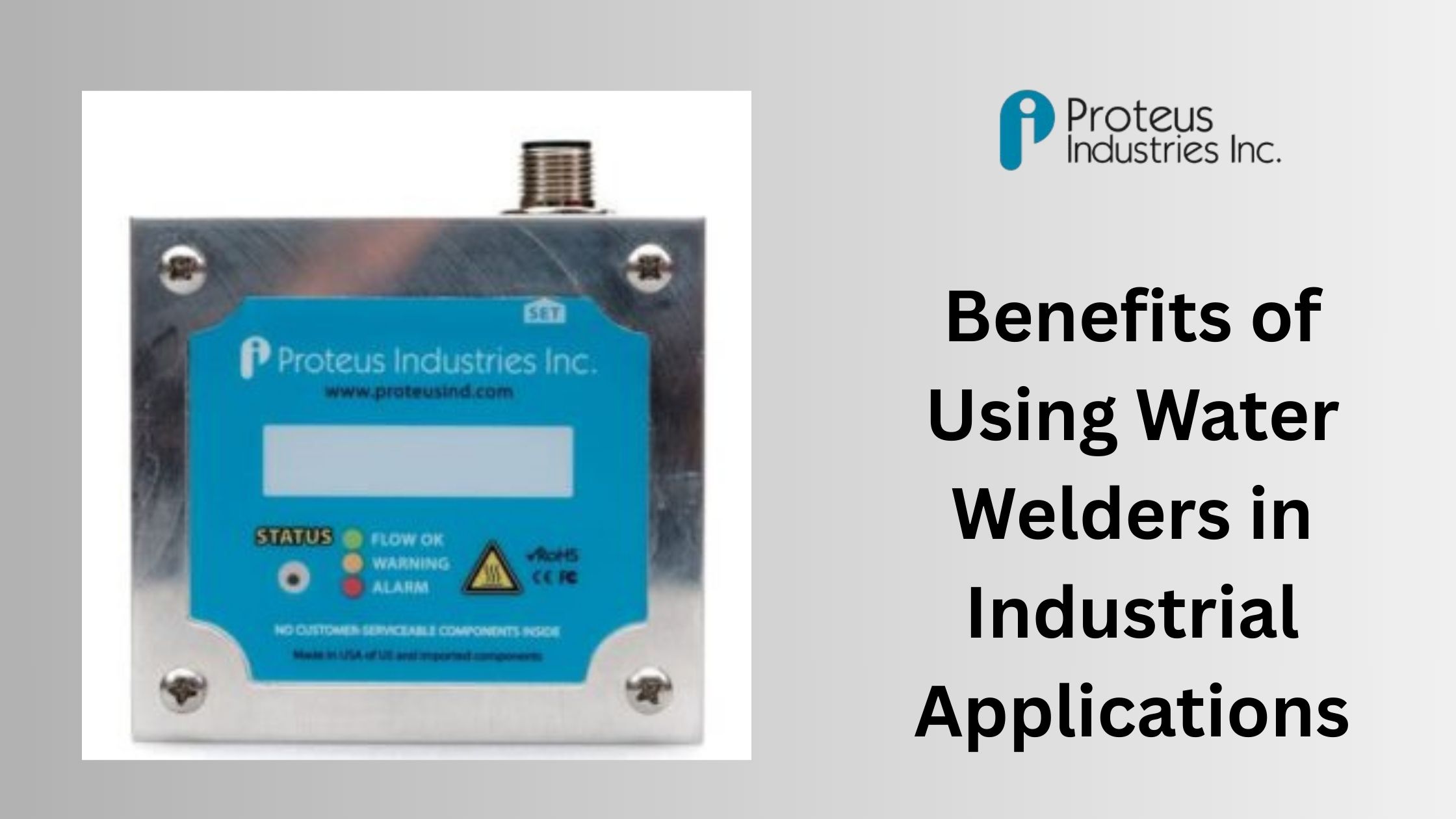
Industrial welding is a fundamental process in modern manufacturing, used to join metal components in industries such as automotive, construction, aerospace, and heavy fabrication. These processes generate intense heat, which must be carefully controlled to ensure both equipment safety and weld quality. Managing heat effectively is one of the biggest challenges in high-speed and automated welding environments. This is where water welders provide a reliable solution. In this article, we’ll explore the key benefits of using water welders in industrial applications.
What Are Water Welders?
Water welders are welding systems or setups that incorporate water-based cooling to manage the heat generated during welding. These systems are designed to maintain stable temperatures in welding equipment such as guns, cables, and transformers.
The basic working principle involves circulating water through cooling channels or hoses connected to the welding system. As the welding process generates heat, the water absorbs this heat and carries it away from critical components.
Why Cooling Is Critical in Industrial Welding?
Cooling plays a vital role in supporting the performance and durability of welding systems. Excessive heat can damage internal components, reduce equipment lifespan, and lead to frequent breakdowns. In addition, overheating can negatively impact weld quality by causing inconsistencies, weak joints, or material distortion.
In high-volume production environments, where welding systems operate continuously, efficient cooling becomes even more important. Without proper temperature control, production efficiency can decrease due to frequent interruptions and maintenance requirements. Water welders address these challenges by providing consistent, effective cooling throughout the welding process.
Key Benefits of Using Water Welders
Superior Cooling Efficiency
One of the main advantages of water welders is their superior cooling compared to traditional methods. Water has a high heat absorption capacity, allowing it to remove heat quickly and maintain stable operating temperatures during welding.
Enhanced Equipment Protection
By preventing overheating, water welders protect critical components, including welding guns, cables, and transformers. This reduces wear and tear, extending the equipment’s lifespan and lowering maintenance costs.
Improved Weld Quality
Stable temperatures are essential for producing consistent and high-quality welds. Water welders help maintain uniform heat distribution, resulting in stronger weld joints and fewer defects.
Increased Productivity
Water welders support continuous welding operations by reducing the need for frequent cooling breaks. This leads to higher productivity and more efficient production processes.
Energy Efficiency
Compared to some traditional cooling methods, water welders can be more energy-efficient. They reduce the need for additional cooling systems and help optimize overall energy usage in industrial operations.
Improved Workplace Safety
Excessive heat can create hazardous working conditions. By maintaining controlled temperatures, water welders reduce the risk of heat-related accidents and improve overall workplace safety.
Applications of Water Welders in Industry
Automotive Manufacturing
Water welders are widely used in automotive production lines where robotic welding systems operate continuously. They help maintain consistent cooling and ensure reliable weld quality.
Construction and Heavy Fabrication
In construction and heavy industries, welding is used for structural components. Water welders prevent overheating during long welding sessions, improving safety and efficiency.
Shipbuilding and Marine Applications
Water welders are ideal for marine environments, including underwater welding and ship maintenance, where water-based systems are highly effective.
Oil and Gas Industry
Pipeline welding and repair operations benefit from water welders, especially in challenging environments where heat control is critical.
General Manufacturing
In various manufacturing sectors, water welders support precision welding and mass production by maintaining stable operating conditions.
Water Welders vs Traditional Welding Systems
Traditional welding systems often rely on air cooling or external cooling units, which may not be sufficient for high-intensity or continuous operations. These systems can struggle to maintain consistent temperatures, leading to equipment wear and reduced performance.
In contrast, water welders provide continuous, efficient cooling, making them better suited to modern industrial applications. They provide better temperature control, improved reliability, and enhanced performance in automated and high-speed production environments.
Challenges and Considerations
While water welders offer many benefits, there are some considerations to keep in mind. The initial investment cost may be higher than that of basic welding systems. However, this cost is often offset by long-term savings in maintenance and improved efficiency.
Regular maintenance is also required to ensure that the cooling system functions properly. This includes checking water flow, cleaning components, and ensuring there are no leaks. Additionally, compatibility with existing equipment should be evaluated before installation.
Future Trends in Water Welding Technology
The future of water welders is closely tied to advancements in automation and smart manufacturing. Modern systems are increasingly being integrated with sensors and monitoring technologies that allow real-time tracking of temperature and performance.
Innovations such as smart cooling systems and automated controls are expected to improve efficiency and reliability further. As industries continue to adopt advanced manufacturing techniques, the demand for water welders is likely to grow.
Conclusion
Water welders play a crucial role in modern industrial welding by providing efficient cooling and improving overall system performance. Their ability to manage heat effectively helps protect equipment, enhance weld quality, and support continuous production. As industries continue to evolve and adopt advanced technologies, the importance of water welders will only increase. Investing in water-welding solutions enables manufacturers to improve efficiency, reduce costs, and maintain high levels of protection and quality in their operations.
















Leave a Reply