
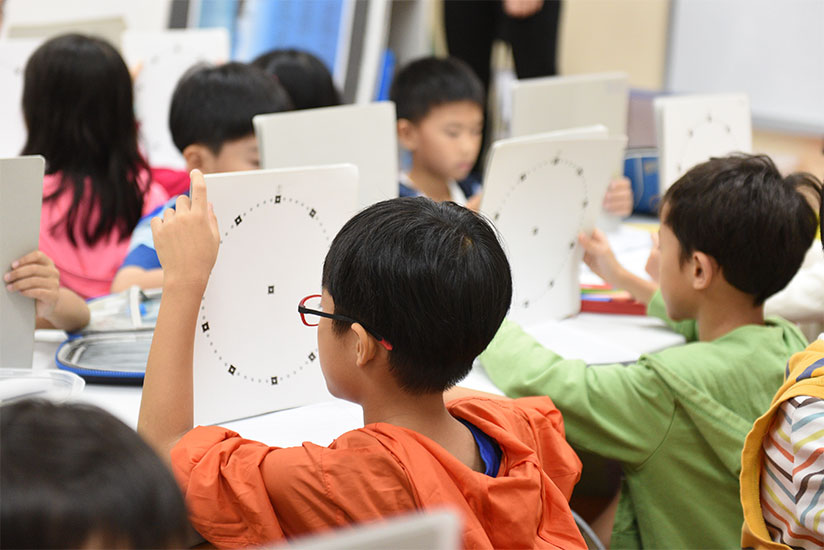
Parents naturally want the best start for their little ones. The early years of life bring rapid growth, and many families look for ways to help during this special time. In Singapore, many choices exist for those who want to support young minds. One notable method focuses on whole-brain growth from a very young age. The Shichida method in Singapore gives a clear path to tap into a child’s natural skills during these key years. This way tries to work with both sides of the brain, mixing heart growth with mind sharpness.
This style of learning came from Japan many years ago. It rests on the thought that every child comes into the world with big gifts. The right side of the brain, responsible for processing images, emotions, and rapid facts, significantly contributes to this perspective. The method uses special tools to wake up these natural gifts. Through soft and fun tasks, children get the chance to build skills that will help them for years to come. Many families find this path fits their wish to raise well-rounded kids who grow with sure steps and warmth.
The Main Ideas Behind This Brain Training Style
This approach to early learning values both emotional intelligence and cognitive skills equally. It goes beyond just academic knowledge. The goal is to nurture children who are compassionate and also able to think critically. This combination lays the foundation for a fulfilling and meaningful life. Young minds absorb lessons about kindness just as quickly as they learn new words and numbers.
- Heart Lessons Come First: Teaching love, care, and respect forms the base for all other learning. A child who feels linked to others will find it easier to learn and grow. Warm feelings foster trust and pave the way for new ideas.
- Both Sides of the Brain Work as One: The left brain handles words and steps, while the right brain works with images and intuition. This method builds ties between the two. Strong links between both sides help kids face tasks with fresh eyes.
- Speed and Fun Keep Kids Tuned In: Quick flashcards and play tasks hold a child’s focus. Learning moves fast, but it always stays light and cheerful. Bright pictures and joyful sounds make each lesson feel like play.
These core thoughts guide every part of the class. They shape how teachers work with children and how parents keep things going at home. The whole point is to make a rich space where young minds can stretch and grow without being pushed. Kids do well when they feel safe and free to try at their own speed.
How the Method Helps Young Brains Grow
Brain training for kids takes many forms, but this way stands out for its soft touch. It does not push children to show off skills. Instead, it provides them with opportunities to explore when they feel ready. The tasks aim at certain parts of the brain at just the right time. Young children grab new things fastest during these early years, so the method strikes when the fire is hot.
Building a Strong Memory
Flashcards fly by at a fast clip during class. This quick show of images helps the right brain grab and hold facts with no work. Children start to call back pictures and words with ease. This skill builds a base for later schoolwork. Sharp memory helps kids pull out facts fast when they need them most.
Growing the Heart Along With the Mind
Lessons weave in tales and games that teach care. Children learn to share, wait their turn, and see how others feel. These soft skills count just as much as ABCs and 123s. A child with a warm heart will make friends and team up well with others. Positive feelings toward classmates make school a more pleasant place to be.
Tapping Into Natural Knows
Some tasks work on what feels like a sixth hunch. The thought is that young children have gut knowledge that can stay strong with use. This part of the class sparks wonder in many parents. Watching a child guess right or sense what comes next brings awe to the room. These small shocks add magic to the learning trip.
| Area of Focus | How It Helps a Child |
| Fast Flash Cards | Boosts memory and quick thought |
| Heart Lessons | Builds care for others and self-rule |
| Hunch Games | Keeps gut knows sharp |
What Takes Place During a Class
A normal session runs for a set time each week. Parents stay with their child during the lesson. This shared time builds a strong tie and lets the parent see just what goes on in class. Mums and dads leave with fresh tips to try at home during the week.
- Hello Time: The class starts with a greeting song to calm everyone down. Soft tunes stop any nerves and get grins going.
- Main Lesson: Flashcards, music, and brain teasers fill this part of the day. Teachers move fast to keep young minds awake and watching. Bright images zip by while happy songs play in the back.
- Wrap Up: A quick talk ends the time as one. Teachers may pass on tips for home use. Families leave with new tools to use before the next class.
The room stays warm and bright. Small class sizes mean each child gets noticed. No one feels lost in the crowd. The whole feel is one of finding, not pushing. Kids bounce in a set to see what fun waits for them each week.
Why Parents in Singapore Pick This Path
Many families in Singapore want their children to grow up in sync. They see worth in a programme that cares for feelings as much as facts. The fast pace of life here makes it even more key to build a strong inner world for children. A calm heart helps kids face busy days with ease.
Parents who choose this road often spot shifts in their child over time. Memory seems sharper. The child may show more pull to books and pics. Small kind acts pop up during playtime. These moves do not come in one night. They come from steady, loving work week by week. Step by step, new skills take hold and bloom.
Some families also like that the method lets the child set the pace. There is no push or force. The child leads, and the tasks follow. This respect builds trust between the child and the learning steps. Kids feel safe to try new things without fear of messing up.
Conclusion
Picking a path for early learning takes thought and care. The Shichida method in Singapore gives a soft way to wake up a child’s natural gifts. It combines intellectual engagement with emotional lessons to foster holistic personal growth. Parents who join this trip get to share in the awe of their child’s growing mind. The point is not to push but to swing doors wide. Heguru Center provides smart methods that promote real growth in young kids, making it an ideal space for families who value both intellect and emotional development.
Frequently Asked Questions
1. What makes this method different from preschool?
This class works on brain growth through set tasks, while preschool covers broad early learning. The two can team up well for a child’s full growth.
2. How can parents keep the work going at home?
Teachers share easy tasks for the week ahead. Short, daily use helps keep the brain paths strong and growing.
3. Does the method work for all children?
Each child reacts in their own way. The path meets kids where they are and moves at a speed that feels right for them.
4. What part do flashcards play in learning?
Flashcards shown fast help the right brain take in facts like a snap. This builds a strong base for memory and quick thought.









Leave a Reply