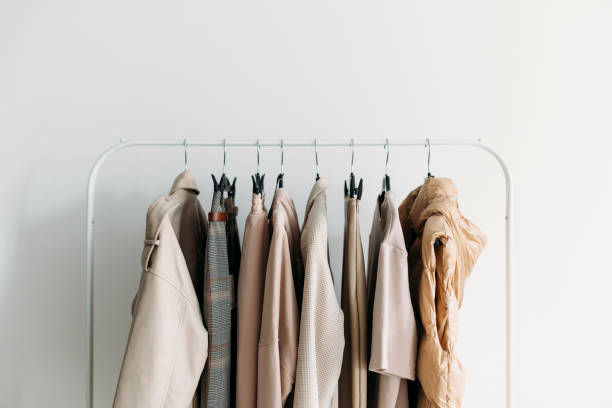
A minimalist work wardrobe is a practical solution for professionals who want to simplify their daily routine without sacrificing style. By focusing on versatile and high quality pieces, you can create numerous outfit combinations with fewer clothing items.
Many people assume that having more clothes leads to better outfit choices. In reality, an overcrowded wardrobe often creates confusion and wastes valuable time. A streamlined collection makes dressing easier and more efficient every morning.
Building a work wardrobe with under 20 pieces helps reduce unnecessary spending and encourages thoughtful purchasing decisions. It also promotes sustainability by minimizing fast fashion consumption and prioritizing long lasting garments.
Whether you work in a corporate office, a creative environment, or a hybrid setting, a carefully planned wardrobe can help you look polished, confident, and professional throughout the week.
A minimalist wardrobe eliminates decision fatigue by reducing the number of clothing choices available each day. Instead of sorting through countless options, you can quickly select an outfit that looks professional and coordinated.
Having fewer pieces also allows you to invest in better quality garments. Premium fabrics and well constructed clothing typically last longer, maintain their appearance, and provide greater comfort during busy workdays.
Another advantage is financial savings. Rather than purchasing trendy items frequently, you focus on timeless essentials that remain stylish for years. This approach helps maximize the value of every purchase.
Minimalism also creates a cleaner and more organized closet space. An uncluttered wardrobe makes it easier to locate clothing, maintain order, and identify gaps that genuinely need attention.
Neutral colors serve as the backbone of any successful minimalist wardrobe. Shades such as black, navy, gray, white, beige, and charcoal work together effortlessly and create a cohesive appearance.
When most of your clothing shares a complementary color palette, mixing and matching becomes simple. This flexibility allows you to create multiple professional outfits from a limited number of garments.
Neutral tones also convey professionalism in workplace environments. They appear polished, sophisticated, and appropriate for meetings, presentations, and everyday office interactions.
While neutrals dominate the wardrobe, you can still incorporate subtle accent colors through accessories or a few statement pieces. This strategy adds personality without disrupting overall versatility.
Tops form the foundation of many work outfits and should be chosen carefully. Aim to include a balanced mix of shirts, blouses, and professional knitwear that coordinate with your bottoms.
A collection of five to seven tops is usually sufficient for a minimalist work wardrobe. Choose styles that can transition easily between formal meetings and regular office activities.
Comfort is equally important when selecting tops. Breathable fabrics and flattering fits help maintain confidence and productivity throughout long working hours.
Versatile designs with clean lines and minimal patterns provide greater flexibility. These pieces can be layered under jackets or worn independently depending on workplace requirements.
Bottoms should offer flexibility while maintaining a professional appearance. A small selection of well fitted trousers, skirts, or tailored pants can support numerous outfit combinations.
Most professionals can manage effectively with three or four high quality bottoms. Neutral colors ensure compatibility with the majority of tops in the wardrobe.
Fit plays a critical role in overall appearance. Even simple clothing looks refined when tailored properly and suited to your body shape.
Durable materials are particularly important for bottoms because they experience frequent wear. Investing in quality construction helps preserve comfort and appearance over time.
Layering pieces add structure and sophistication to work outfits. Blazers, cardigans, and lightweight jackets can instantly elevate even the simplest clothing combinations.
One tailored blazer in a neutral shade serves as a valuable wardrobe staple. It works well for presentations, client meetings, and occasions requiring a more formal appearance.
A second layering option such as a cardigan provides versatility during changing weather conditions. It offers comfort while maintaining workplace appropriateness.
These layers also increase outfit variety. By combining the same tops and bottoms with different outer pieces, you can create fresh looks without expanding your wardrobe significantly.
Footwear should balance professionalism, comfort, and versatility. Since shoes often complete an outfit, selecting the right options is essential for a minimalist wardrobe.
Most professionals only need two or three pairs of work appropriate shoes. Consider including comfortable flats, loafers, dress shoes, or low heels depending on your workplace environment.
Neutral colored footwear coordinates with multiple outfits and reduces the need for excessive shoe purchases. Black, brown, beige, and navy remain reliable choices.
Comfort should never be overlooked. Supportive footwear improves posture, reduces fatigue, and contributes to overall workplace productivity during long days.
Accessories should complement your wardrobe without overwhelming it. A minimalist approach focuses on quality pieces that enhance professional outfits and provide practical value.
A structured work bag, classic watch, and simple jewelry often cover most professional needs. These items add polish while maintaining a clean and refined appearance.
Scarves and belts can also introduce subtle variety to your outfits. Small changes in accessories help create different looks using the same clothing pieces.
Choosing timeless designs ensures long term usability. Avoiding overly trendy accessories helps maintain consistency and prevents unnecessary spending.
A practical minimalist work wardrobe might include six tops, four bottoms, two layering pieces, three pairs of shoes, and five accessories. This structure remains comfortably under twenty items.
The exact combination should reflect your workplace dress code and personal preferences. Professionals in formal industries may prioritize blazers, while creative roles allow greater flexibility.
Regular wardrobe evaluations help maintain effectiveness. Remove items that no longer fit, replace worn essentials, and identify opportunities to improve versatility.
Remember that the goal is functionality rather than restriction. Every item should serve multiple purposes and integrate seamlessly with the rest of the collection.
Building a minimalist work wardrobe with under 20 pieces is an effective way to simplify your life while maintaining a professional image. Thoughtful clothing choices reduce stress, save money, and streamline daily routines.
By focusing on versatile essentials, neutral colors, and quality garments, you can create countless outfit combinations without owning an excessive number of clothes. A smaller wardrobe often delivers greater functionality and satisfaction.
Minimalism encourages intentional purchasing decisions and promotes sustainable fashion habits. Each piece earns its place by offering value, durability, and versatility.
With careful planning and consistent organization, a minimalist work wardrobe can help you look polished, feel confident, and stay prepared for every professional opportunity.

This post has been authored and published by one of our premium contributors, who are experts in their fields. They bring high-quality, well-researched content that adds significant value to our platform.










Daily Outfits is your trusted fashion destination for outfit inspiration, style tips, seasonal trends, wardrobe guides, and everyday fashion advice. Stay inspired and dress with confidence every day.