Modern homes increasingly depend on efficient mechanical systems to provide reliable water, heating, cooling, and indoor comfort. In 2026, technological advancements are transforming these essential systems through smart sensors, predictive diagnostics, artificial intelligence, and connected monitoring. Homeowners are becoming more proactive about equipment maintenance as they seek lower energy costs, fewer unexpected breakdowns, and longer equipment lifespans.
Water pump technology is experiencing particularly significant changes. Traditional pumps relied heavily on mechanical controls and manual inspections, while newer systems can monitor pressure, flow, motor performance, and operating conditions continuously. These developments make it easier to identify potential problems before they result in major interruptions.
At the same time, modern heating and cooling systems are adopting similar technologies. Connected HVAC equipment can monitor performance, optimize energy consumption, and communicate maintenance alerts through smartphones and other smart home platforms.
One of the biggest trends in residential water management is intelligent monitoring. Modern pump systems can use sensors to measure pressure, water flow, motor temperature, vibration, and electrical performance.
When operating conditions change unexpectedly, connected systems can send alerts to homeowners. This provides an opportunity to investigate unusual behavior before a complete equipment failure occurs.
For example, declining water pressure, repeated cycling, unusual sounds, or extended operating times may indicate developing mechanical problems. Early detection can help homeowners arrange professional inspection before a minor concern becomes a more expensive repair.
This shift from reactive maintenance to predictive monitoring is becoming increasingly important in modern residential properties.
Energy efficiency remains a major priority for homeowners in 2026. Variable-speed pump technology addresses this demand by adjusting motor speed according to actual water requirements.
Traditional equipment may operate at a fixed speed even when household demand is relatively low. Variable-speed systems can reduce output during periods of limited demand and increase performance when several fixtures require water simultaneously.
This approach can reduce electricity consumption, minimize mechanical stress, and provide more consistent water pressure.
The same principle is becoming increasingly common across HVAC technology. Variable-speed compressors and electronically controlled fans adjust output according to real-time heating or cooling requirements rather than operating continuously at maximum capacity.
Predictive maintenance is becoming a defining trend across residential mechanical systems. Instead of waiting until equipment completely fails, intelligent monitoring evaluates performance continuously.
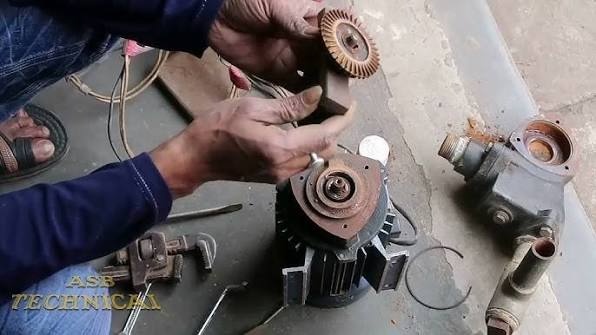
When a water pump suddenly stopped working, homeowners may initially suspect an electrical interruption or mechanical failure. However, the underlying cause could involve pressure controls, wiring, motor components, water supply issues, or other system conditions.
Smart monitoring can provide valuable information about operating history and abnormal patterns, helping professionals diagnose problems more efficiently.
Homeowners should avoid repeatedly restarting malfunctioning equipment without identifying the underlying cause. Persistent problems may become more serious if equipment continues operating under abnormal conditions.
Heating and cooling systems are also benefiting from rapid technological development. Today's equipment can incorporate smart thermostats, occupancy sensors, Wi-Fi connectivity, artificial intelligence, and predictive diagnostics.
A modern Local HVAC Company can help homeowners evaluate equipment compatibility, system efficiency, installation requirements, and maintenance needs when upgrading older HVAC systems.
Professional installation remains important because even highly advanced equipment cannot perform efficiently if it is improperly sized or configured. Load calculations, airflow balancing, refrigerant charge, ductwork condition, and thermostat setup all influence long-term performance.
Artificial intelligence is increasingly being integrated into residential climate management. Smart HVAC systems can analyze indoor temperatures, humidity, occupancy, weather conditions, and historical usage patterns to optimize operation.
Instead of following a rigid schedule, intelligent systems can adjust performance according to changing conditions. This can improve comfort while reducing unnecessary energy consumption.
Similar principles are being applied to water management. Smart controllers can identify unusual usage patterns, monitor pressure changes, and provide alerts when equipment operates outside expected conditions.
The growing integration of AI across household mechanical systems is helping homeowners move toward more proactive and efficient property management.
Connected technology is expanding beyond thermostats and lighting. Homeowners can now monitor HVAC equipment, water systems, leak detection devices, and energy consumption through centralized mobile applications.
Remote monitoring is especially useful when residents are away from home. Notifications about unusual water usage, temperature changes, or equipment operation can provide an early warning that something requires attention.
Integration between different household systems can also improve efficiency. For example, smart thermostats can communicate with HVAC equipment to optimize operation based on occupancy, while water monitoring devices can identify potential leaks before significant damage occurs.
Smart technology can provide valuable information, but professional expertise remains essential for complex mechanical problems. Pumps and HVAC equipment contain electrical, mechanical, and control components that require appropriate diagnostic knowledge.
A qualified Local HVAC Company can inspect heating and cooling systems, identify efficiency problems, perform preventative maintenance, and recommend appropriate upgrades based on the property's requirements.
Similarly, water pump problems may require specialized plumbing or mechanical expertise. Professional diagnosis helps ensure that the actual cause of a failure is addressed instead of simply treating its symptoms.
Environmental responsibility continues influencing equipment design throughout 2026. High-efficiency motors, variable-speed technology, intelligent controls, environmentally responsible refrigerants, and renewable-energy integration are becoming increasingly important.
These technologies can reduce energy consumption while supporting long-term sustainability.
Smart monitoring also contributes to conservation by identifying unnecessary water use, inefficient equipment operation, and developing mechanical problems before they lead to significant waste.
Residential mechanical technology is moving toward greater connectivity, efficiency, and predictive operation. Water pumps and HVAC systems are increasingly capable of monitoring their own performance and communicating useful information to homeowners and service professionals.
Throughout 2026 and beyond, homeowners who combine efficient equipment with proactive maintenance will be better positioned to reduce operating costs and avoid unexpected disruptions.
The future of residential comfort is not simply about replacing equipment when it fails. It is about using intelligent technology, professional maintenance, and data-driven monitoring to create homes that operate more efficiently, reliably, and sustainably.

This post has been authored and published by one of our premium contributors, who are experts in their fields. They bring high-quality, well-researched content that adds significant value to our platform.












Daily Outfits is your trusted fashion destination for outfit inspiration, style tips, seasonal trends, wardrobe guides, and everyday fashion advice. Stay inspired and dress with confidence every day.