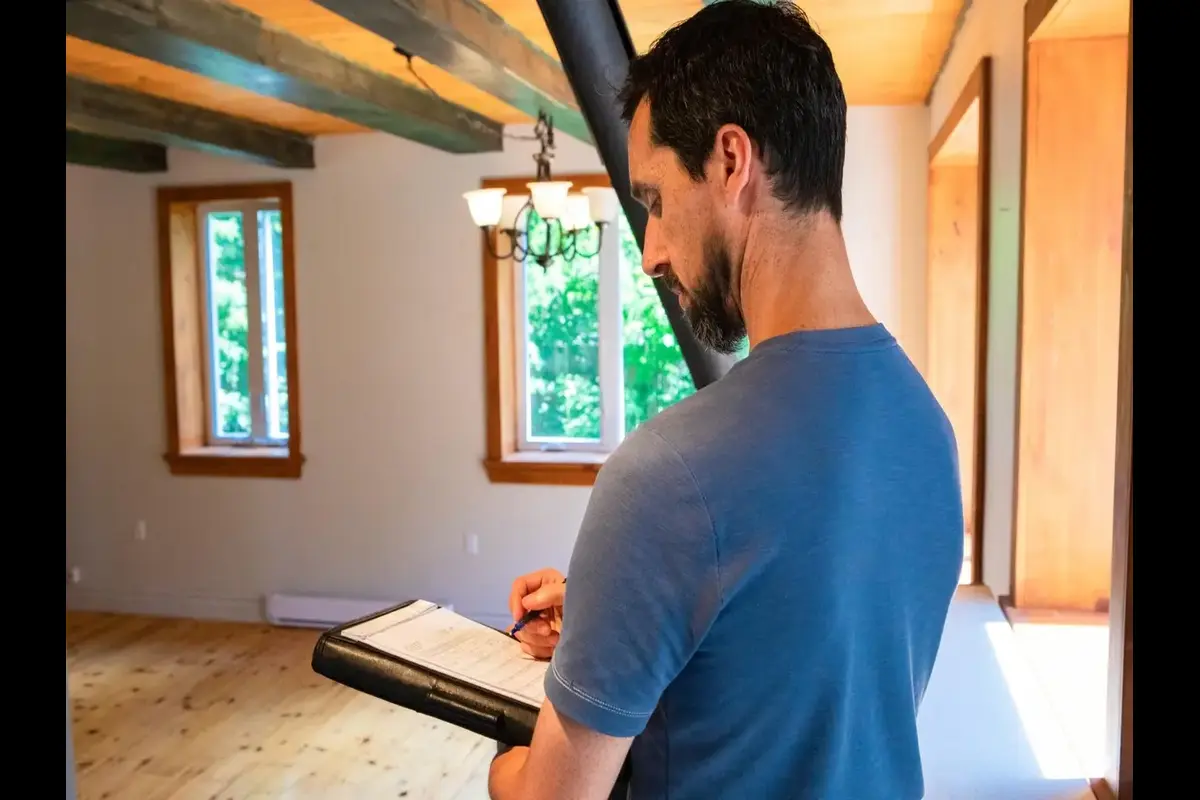
Buying a newly constructed home is an exciting milestone. Everything looks fresh, modern, and untouched, but a new home does not necessarily mean a perfect home. Construction involves hundreds of materials, systems, contractors, and installation steps, and small defects can sometimes remain unnoticed until the homeowner has lived in the property for several months.
That is why an inspection before the builder's warranty expires can be such a valuable investment. 11 month warranty inspections give homeowners an opportunity to identify defects and maintenance concerns while the builder's warranty may still be active. Instead of discovering problems after the warranty period ends, homeowners can document concerns and give the builder an opportunity to address them.
As new construction continues to evolve in 2026, homeowners are becoming more aware of the importance of independent inspections. A professional evaluation near the end of the first year can provide valuable insight into how the property has performed through its first several months of occupancy.
Many buyers assume that a newly constructed property does not need another inspection after closing. However, a home can change considerably during its first year.
Materials settle, doors and windows may shift, plumbing connections can develop leaks, and HVAC systems experience months of regular operation. Problems that were not visible during the original walkthrough may become noticeable after the home has been occupied.
An independent inspection gives homeowners another opportunity to evaluate the property and identify concerns that may have developed since construction was completed.
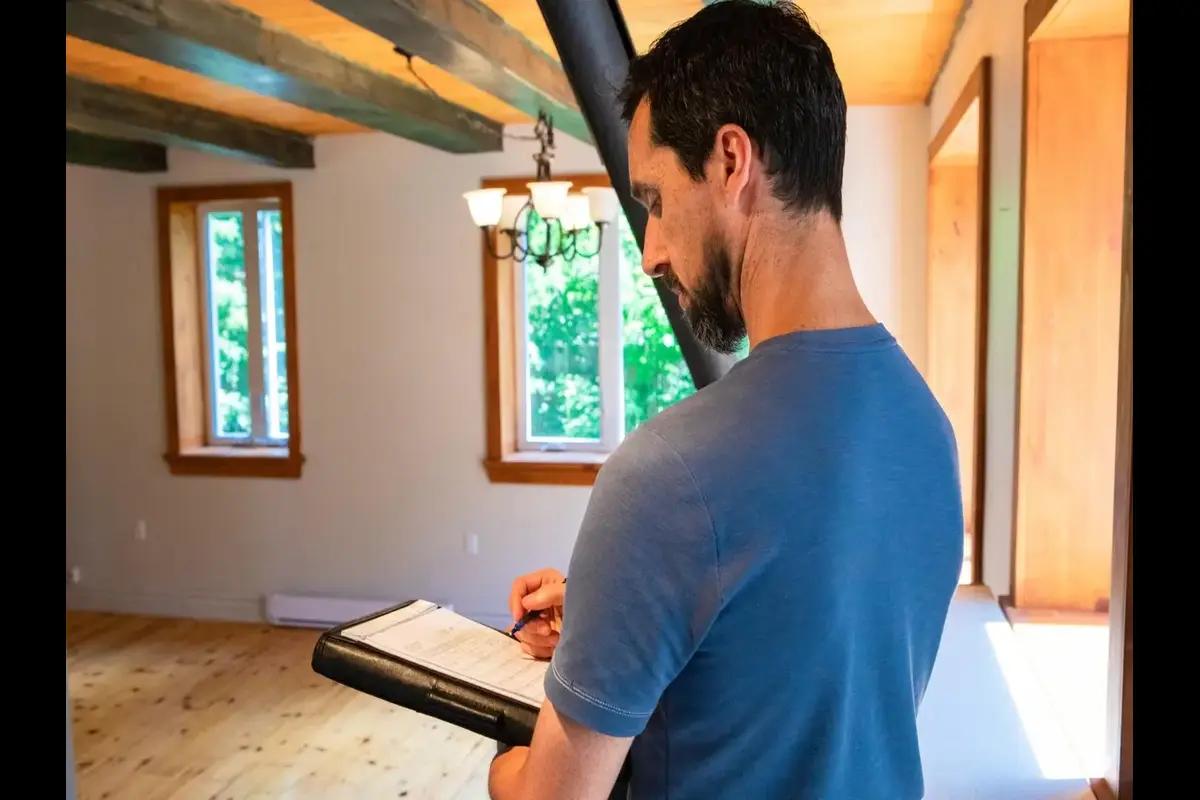
An 11-month warranty inspection is generally scheduled shortly before the builder's one-year warranty expires. The purpose is to identify visible defects, system concerns, workmanship issues, and other conditions that homeowners may want the builder to review.
The timing is particularly important. Waiting until after the warranty expires could make it more difficult to request corrections for issues covered by the builder's warranty.
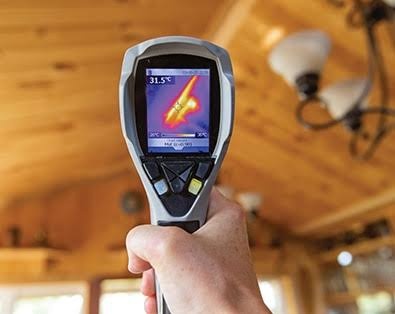
Professional 11 month warranty inspections typically focus on the home's major components and accessible systems, including:
The exact scope can vary depending on the inspection provider and the builder's warranty terms.
New homes can experience a wide variety of minor and major issues during their first year.
Some commonly observed concerns include:
Doors may become difficult to close, while windows can develop gaps, damaged seals, or alignment problems as materials settle.
Small leaks around fixtures, supply connections, or drainage components may become noticeable after months of use. Early detection can prevent moisture damage and more expensive repairs.
Heating and cooling equipment works continuously in many climates. Poor airflow, unusual operation, inadequate drainage, or installation-related concerns may become apparent over time.
Homeowners may notice damaged shingles, improper flashing, drainage concerns, or exterior finish defects that were not obvious when the home was first completed.
Cracks in drywall, loose trim, uneven flooring, sticking doors, and other workmanship concerns can become more noticeable as the house settles.
Homeowners should not wait until the final days of the warranty period to schedule an inspection. Booking the evaluation several weeks before the warranty deadline provides time to review the report, communicate with the builder, and allow contractors to address documented concerns.
For example, a homeowner whose warranty expires at the end of August should consider arranging the inspection earlier in the summer rather than waiting until the final week.
This approach creates a more practical timeline for identifying, documenting, and reporting potential issues.
One of the biggest advantages of an independent inspection is documentation.
A professional report can provide:
Homeowners can use this information when communicating with their builder. While an inspection report does not automatically determine whether a builder is obligated to make a repair, it can help homeowners clearly document concerns for review.
Before the inspection, homeowners should make a list of problems they have noticed since moving into the property.
Pay attention to:
Providing this information to the inspector can help direct attention toward areas that may deserve closer evaluation.
Homeowners should also keep copies of their purchase documents, builder warranty information, previous inspection reports, and records of repairs already completed.
A small defect may be relatively inexpensive for a builder to correct during the warranty period. The same problem can become much more expensive if it remains unnoticed and causes secondary damage.
For example, a minor plumbing leak may eventually contribute to damaged cabinetry, flooring, drywall, or other building materials. Similarly, an exterior drainage problem could contribute to moisture intrusion if it is ignored.
A timely inspection helps homeowners become aware of potential problems before they have more time to develop.
A new home represents a substantial financial investment. Homeowners naturally expect new construction to perform as intended, but responsible ownership also involves monitoring the property after moving in.
Scheduling 11 month warranty inspections provides an additional layer of protection during an important period of homeownership. It allows homeowners to assess how the property has performed after nearly a full year of normal use rather than relying solely on the original construction inspection.
The inspection can also provide homeowners with a useful maintenance roadmap for the years ahead.
New construction can offer modern designs, energy-efficient systems, and attractive finishes, but homeowners should not assume that every component will remain problem-free during the first year.
An inspection near the end of the builder's warranty period gives homeowners an opportunity to identify concerns, document conditions, and communicate potential repairs before warranty coverage expires.
In 2026, proactive homeowners are looking beyond the excitement of moving into a brand-new property. They are also thinking about long-term maintenance, documentation, and protecting their investment. 11 month warranty inspections can be an important part of that strategy, helping homeowners address potential concerns today rather than paying for preventable problems tomorrow.

This post has been authored and published by one of our premium contributors, who are experts in their fields. They bring high-quality, well-researched content that adds significant value to our platform.











Daily Outfits is your trusted fashion destination for outfit inspiration, style tips, seasonal trends, wardrobe guides, and everyday fashion advice. Stay inspired and dress with confidence every day.