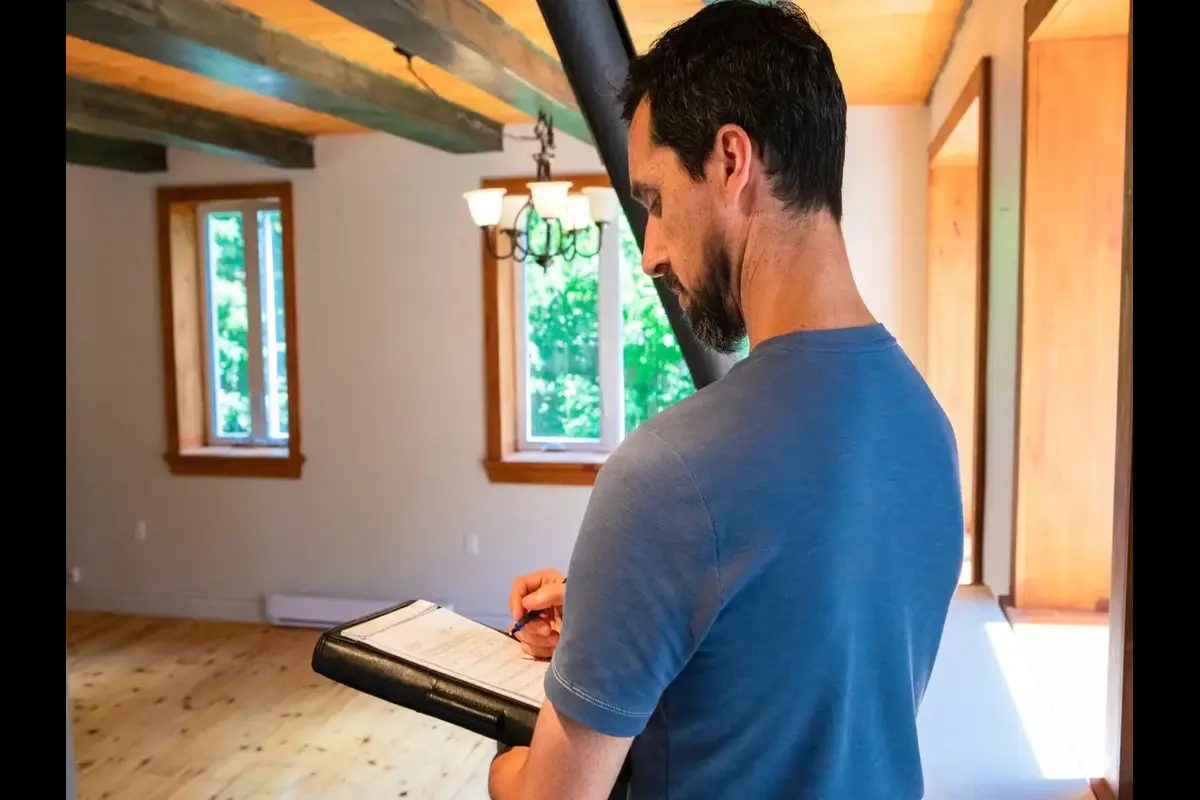
Modern homeowners expect more from property inspections than a simple visual review. While trained inspectors can identify many visible defects, some problems remain concealed behind walls, ceilings, floors, and other building materials. Moisture intrusion, electrical overheating, insulation gaps, and HVAC problems may not always be visible during a standard inspection.
Advances in inspection technology are helping professionals identify these hidden conditions more effectively. An Infrared thermal imaging inspection uses thermal imaging equipment to identify temperature differences across surfaces, providing additional information that can help reveal areas requiring closer evaluation.
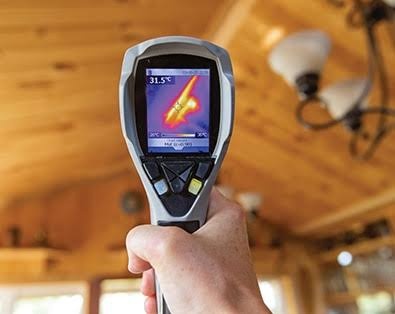
Thermal imaging uses a specialized camera to detect infrared radiation emitted by objects and convert temperature differences into a visual image. Unlike a traditional camera, a thermal camera does not simply capture what the human eye can see.
Different temperatures appear as different patterns on the thermal image. These patterns can provide useful clues about conditions behind or beneath visible surfaces.
For example, an unusual temperature pattern around a ceiling could indicate a potential moisture concern, while an irregular pattern near an electrical component could justify further investigation.
Thermal imaging does not automatically diagnose the cause of a temperature difference. Instead, it provides inspectors with additional information that can help determine where further evaluation may be appropriate.
Many home problems begin in areas that are difficult to observe. A small plumbing leak inside a wall may continue unnoticed, gradually damaging insulation and building materials. Similarly, an insulation gap can affect energy efficiency without producing an obvious visual defect.
Potential conditions that thermal imaging may help identify include:
Identifying unusual thermal patterns early can help homeowners investigate concerns before they become more expensive problems.
Thermal imaging works best as a complementary inspection tool rather than a replacement for traditional inspection methods. Inspectors first evaluate the property visually and then use thermal imaging where appropriate to gather additional information.
A thermal scan may be useful around:
An Infrared thermal imaging inspection can provide additional visual information that may not be available through conventional observation alone.
One of the valuable applications of thermal imaging is identifying temperature patterns associated with possible moisture. Water can change the thermal characteristics of building materials, sometimes creating noticeable temperature differences.
Inspectors may use thermal cameras to examine areas near:
If an unusual thermal pattern is discovered, additional moisture measurements or other inspection methods may be recommended.
This approach helps distinguish potential concerns from normal temperature variations.
Insulation plays an important role in maintaining comfortable indoor temperatures and controlling energy consumption. Gaps, compressed insulation, or missing sections may allow heat to move through areas of the building envelope.
Thermal imaging can help reveal temperature patterns associated with inconsistent insulation coverage.
Potential benefits include identifying:
Homeowners can use this information to prioritize improvements that may increase comfort and efficiency.
Electrical components can sometimes produce abnormal heat when they are overloaded, damaged, loose, or operating under unusual conditions. Thermal imaging may help inspectors identify temperature differences that deserve closer attention.
Potential areas for scanning include:
A thermal anomaly should not automatically be considered an electrical failure. Additional evaluation by a qualified professional may be necessary to determine the underlying cause.
Heating and cooling systems account for a significant portion of household energy use. Uneven temperatures throughout a home can result from airflow restrictions, insulation deficiencies, duct problems, or equipment performance issues.
Thermal imaging can provide a visual representation of temperature distribution across rooms, walls, ceilings, and HVAC registers.
This information can help identify areas where further HVAC evaluation may be beneficial.
Homebuyers want to know as much as possible about a property before making a major financial commitment. Thermal imaging can provide another layer of information during the inspection process.
Potential benefits include:
Additional inspection information can give buyers greater confidence when evaluating a property.
Thermal imaging is also valuable for homeowners who are not planning to sell. Periodic evaluations can help identify developing concerns and guide maintenance decisions.
Homeowners may use thermal findings to investigate:
Addressing potential issues early can help prevent more extensive damage and unexpected repair costs.
As homes become more energy-efficient and building systems become increasingly complex, inspectors need effective tools for evaluating conditions that may not be visible during a traditional inspection.
An Infrared thermal imaging inspection adds another layer of information by showing temperature patterns across accessible surfaces. When combined with visual observations, moisture measurements, and other appropriate inspection techniques, thermal imaging can help inspectors develop a more complete understanding of potential property concerns.
The technology is becoming an increasingly useful part of modern property evaluations in 2026.
A home can look perfectly maintained while hidden problems develop behind its visible surfaces. Modern inspection technology provides homeowners and buyers with additional ways to identify conditions that may otherwise go unnoticed.
An Infrared thermal imaging inspection is not a substitute for a comprehensive visual inspection, but it can be a valuable supplemental tool for identifying unusual thermal patterns and areas that deserve further investigation.
By combining professional expertise with modern technology, homeowners can make better maintenance decisions, protect their investments, and enjoy greater confidence in their property's condition throughout 2026 and beyond.

This post has been authored and published by one of our premium contributors, who are experts in their fields. They bring high-quality, well-researched content that adds significant value to our platform.










Daily Outfits is your trusted fashion destination for outfit inspiration, style tips, seasonal trends, wardrobe guides, and everyday fashion advice. Stay inspired and dress with confidence every day.